This is our new post
You may have a problem with drinking but may be too embarrassed to enter an AA meeting. Here a few simple steps to help you kick the habit without going full turkey. First, as cliché as it may sounds, acknowledge that you have a problem. You need to accept that you are an alcoholic. Then you can proceed to the next step, understand why you drink. Do you start drinking when you had a bad day at work or when you argue with your spouse? Identify the little triggers that set you off and have a game plan of what you will do when faced with that trigger. When having an awful day at work, getting a manicure, or calling a friend out for a coffee. Know your triggers and know yourself. Second, commit yourself to the goal of abstaining from alcohol. You are a smart human being who does not need alcohol to function. Yes, it may be difficult for you to get through the day at first. Do not listen to the little cravings or little commands that your brain sends to you demanding for alcohol. You are the master of yourself. You have lived once before and functioned perfectly well without alcohol. There is no reason you could not do it again. Make your mantra: I will quit for good. Repeat it to yourself every time a trigger presents itself to you. Say an affirmation of your success in the morning, afternoon, and before sleeping. Third, learn to say NO and set boundaries. If a friend asks you out for a drink, be absolutely ready to be firm in your reply. Say no thanks, I’m quitting. Tell your friends of your intentions and tell them that you need them to be there for you. If you have to avoid your group of drinking friends for a certain period of time, do that. Tell them you are not burning bridges, you are just trying to quit alcohol. They will respect you for it and help you on your road to sobriety. Fourth, be patient. Enjoy recovery from your addiction and do not be disheartened if you relapsed. If you relapsed once, that does not mean you will fall all the way down and hit rock-bottom. Surround yourself with persons that support your recovery, judgment-free. Do not be hard on yourself if you relapsed after a certain period of time. After that relapse, say to yourself, I will try harder and this time I will succeed by taking it one minute at a time. Most of all, remember that you are also doing quitting for yourself and your family. These reasons should be the biggest motivation and inspiration to keep on moving forward.
How to Quit Drinking-Judgement Free
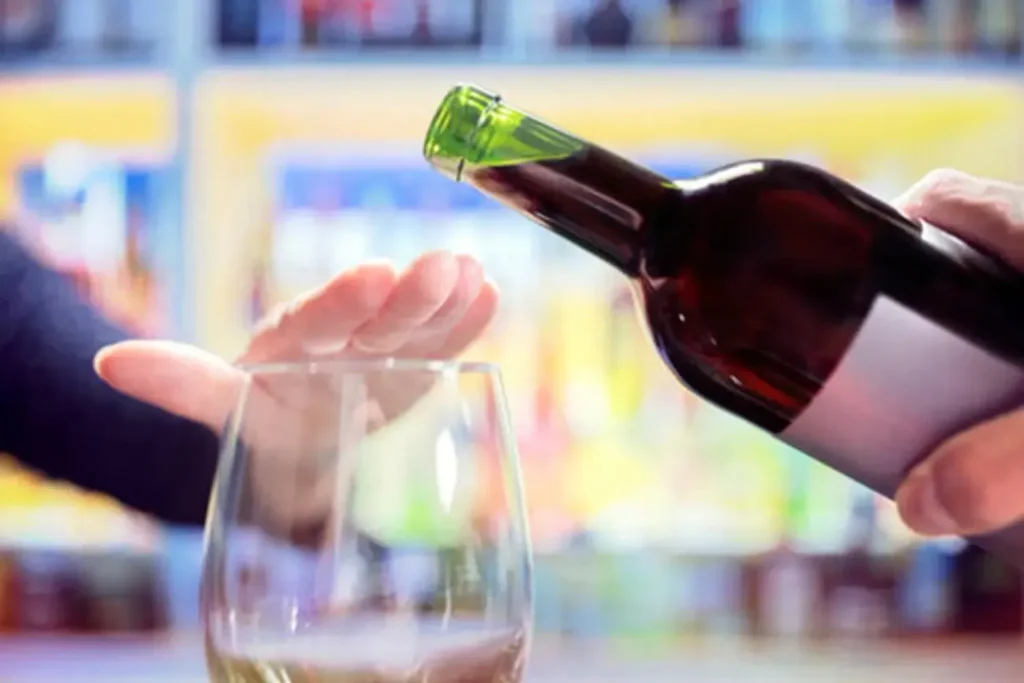
You may have a problem with drinking but may be too embarrassed to enter an AA meeting. Here a few simple steps to help you kick the habit without going full turkey. First, as cliché as it may sounds, acknowledge that you have a problem. You need to accept that you are an alcoholic. Then you can proceed to the next step, understand why you drink. Do you start drinking when you had a bad day at work or when you argue with your spouse? Identify the little triggers that set you off and have a game plan of what you will do when faced with that trigger. When having an awful day at work, getting a manicure, or calling a friend out for a coffee. Know your triggers and know yourself. Second, commit yourself to the goal of abstaining from alcohol. You are a smart human being who does not need alcohol to function. Yes, it may be difficult for you to get through the day at first. Do not listen to the little cravings or little commands that your brain sends to you demanding for alcohol. You are the master of yourself. You have lived once before and functioned perfectly well without alcohol. There is no reason you could not do it again. Make your mantra: I will quit for good. Repeat it to yourself every time a trigger presents itself to you. Say an affirmation of your success in the morning, afternoon, and before sleeping. Third, learn to say NO and set boundaries. If a friend asks you out for a drink, be absolutely ready to be firm in your reply. Say no thanks, I’m quitting. Tell your friends of your intentions and tell them that you need them to be there for you. If you have to avoid your group of drinking friends for a certain period of time, do that. Tell them you are not burning bridges, you are just trying to quit alcohol. They will respect you for it and help you on your road to sobriety. Fourth, be patient. Enjoy recovery from your addiction and do not be disheartened if you relapsed. If you relapsed once, that does not mean you will fall all the way down and hit rock-bottom. Surround yourself with persons that support your recovery, judgment-free. Do not be hard on yourself if you relapsed after a certain period of time. After that relapse, say to yourself, I will try harder and this time I will succeed by taking it one minute at a time. Most of all, remember that you are also doing quitting for yourself and your family. These reasons should be the biggest motivation and inspiration to keep on moving forward.
What’s Going on with Medical Cannabis in Kentucky? (2024 Update)
As of 2024, Kentucky is making progress when it comes to medical cannabis. For years, the state has been cautious about legalizing it, but changes are happening. If you or someone you know is thinking about using medical cannabis to help with a health condition, it’s important to stay informed. Is Medical Cannabis Legal in Kentucky? Yes, medical cannabis has been made legal in Kentucky, but the law won’t fully take effect until 2025. In 2023, Kentucky’s Governor Andy Beshear signed Senate Bill 47, which allows people with certain medical conditions to legally use cannabis as part of their treatment. When the program officially starts, people with qualifying conditions will be able to use medical cannabis with a doctor’s approval. Some of these conditions include chronic pain, epilepsy, PTSD, and others. Who Can Use Medical Cannabis? Once the program begins in 2025, people with certain medical conditions will be allowed to use medical cannabis. But they will need to get a medical marijuana card from a licensed healthcare provider. Some of the conditions that qualify for medical cannabis include: Severe pain Cancer Epilepsy Multiple sclerosis (MS) PTSD Severe nausea It’s important to know that recreational use of cannabis is still illegal in Kentucky. Only people who qualify for medical reasons will be allowed to use it. Where Can You Get Information About Medical Cannabis? If you’re interested in learning more about medical cannabis, you can talk to authorized medical cannabis providers. In the Paducah area, you can contact Family Psychiatric Services. We are authorized marijuana providers that can help you figure out: If you qualify to use medical cannabis How to get a medical marijuana card What medical cannabis treatment would be like We can answer any questions you have and help you understand what the process will be like once medical cannabis is available. What You Can Do Now Even though the medical cannabis program won’t start until 2025, there are things you can do now to get ready: Learn more: Stay updated on the laws and how medical cannabis might help you or someone you know. Talk to your provider: If you think medical cannabis might be a good option for you, talk to your provider to see if it could be part of your treatment plan. For more help, you can contact Family Psychiatric Services in Paducah. We can guide you through the steps to prepare for Kentucky’s medical cannabis program. By staying informed, you can make sure you’re ready when Kentucky’s medical cannabis program begins in 2025.
Fresh Starts: A Natural Gardening Guide for Beginners
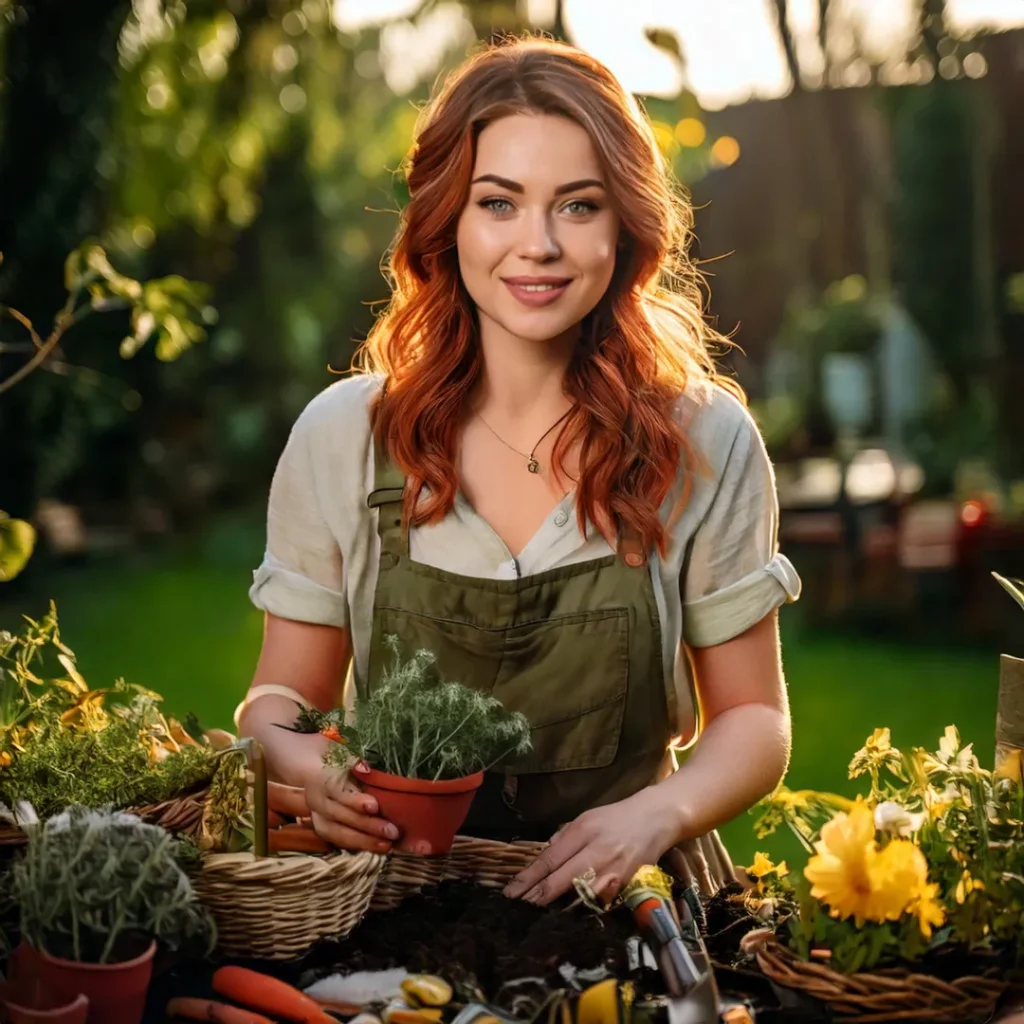
New Year, New Growth: Natural Gardening Tips for Beginners As the New Year unfolds, it brings with it the promise of fresh starts and new opportunities. What better way to embrace this spirit than by starting a natural garden? Gardening can be a therapeutic and grounding activity, offering mental health benefits like reduced stress and improved mood—something we at Family Psychiatric Services wholeheartedly encourage. If you’ve been considering taking up gardening but don’t know where to start, this guide will walk you through beginner-friendly tips to create a thriving, natural garden while nurturing your well-being. 1. Start Small: Cultivate Your Confidence When beginning your gardening journey, it’s easy to get overwhelmed by ambitious plans. Start small with a few potted plants, a small, raised bed, or a designated patch in your yard. Herbs like basil, mint, or parsley are great beginner plants—easy to grow and useful in the kitchen! Mental Health Tip: Watching even a single plant thrive can boost your confidence and provide a sense of accomplishment. 2. Choose Native Plants Native plants are well-suited to your local climate and soil conditions, making them easier to grow and maintain. They also support local pollinators like bees and butterflies, contributing to a healthier ecosystem. Quick Picks: Coneflowers, milkweed, and black-eyed Susans are great choices for many regions. Mental Health Tip: Being a part of something larger—like supporting the ecosystem—can enhance feelings of connectedness and purpose. 3. Go Organic Natural gardening emphasizes avoiding synthetic fertilizers and pesticides. Composting kitchen scraps like vegetable peelings, coffee grounds, and eggshells creates nutrient-rich soil for your plants. For pest control, try planting marigolds or using natural remedies like neem oil. Mental Health Tip: The hands-on activity of composting and nurturing soil can be meditative and stress-relieving. 4. Build a Routine Consistency is key to a healthy garden. Dedicate a few minutes each day to water, weed, or simply observe your plants. This daily connection with nature can create a calming ritual and a sense of structure. Mental Health Tip: Regular exposure to sunlight and fresh air can help regulate your sleep cycle and boost serotonin levels. 5. Make It a Family Affair Gardening can be a wonderful activity for the whole family. Involve children in planting seeds or watering, and teach them about the importance of caring for living things. This shared experience can strengthen family bonds and create lasting memories. Mental Health Tip: Teamwork in the garden fosters communication and collaboration, building stronger interpersonal relationships. 6. Embrace Imperfection Not every seed will sprout, and that’s okay! Gardening is as much about the process as it is about the results. Celebrate the small wins and learn from the challenges. Mental Health Tip: Accepting imperfections in your garden can translate to greater self-compassion and resilience in other areas of life. Closing Thoughts As you embark on your natural gardening journey this New Year, remember that it’s about progress, not perfection. Whether you’re growing herbs on a windowsill or cultivating a backyard oasis, each step you take brings you closer to a healthier mind and body. At Family Psychiatric Services, we believe in nurturing both mental and physical well-being. Gardening is just one way to reconnect with yourself and the world around you. We’re here to support you—in the garden and beyond. Happy New Year, and happy gardening!
Dr. Linda Mays, DNP, PMHNP, Featured on WPSD Local 6
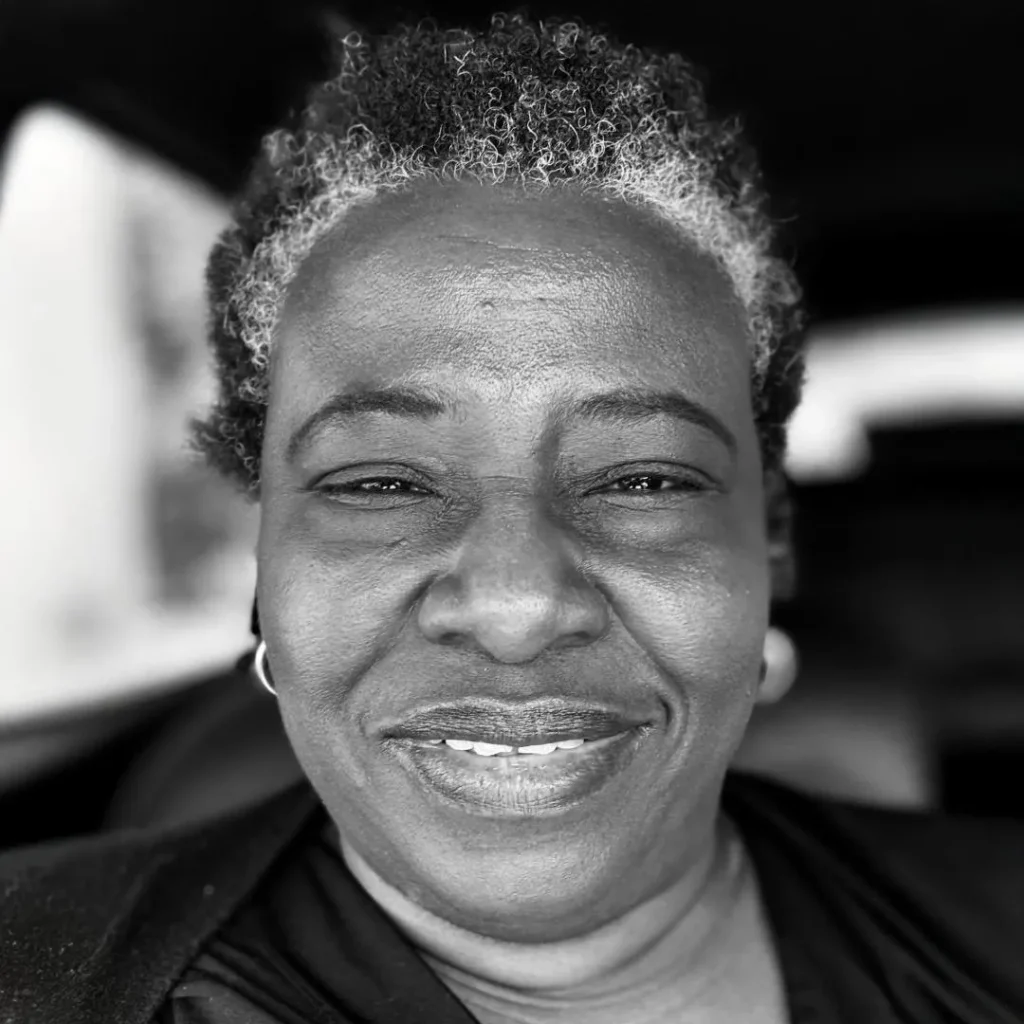
We are thrilled to share that Dr. Linda Mays, DNP, PMHNP, was recently featured on WPSD Local 6, a leading news station in the Western Kentucky area. This recognition highlights her commitment to holistic mental health care and her tireless efforts to make a positive impact in the lives of individuals across the community. A Vision for Holistic Mental Health Care Dr. Mays, the founder of Family Psychiatric Services, has dedicated her career to providing compassionate and evidence-based care. Her approach combines traditional psychiatric treatment with holistic and alternative options, such as medical cannabis and natural supplements, to support mental wellness in a comprehensive way. During her feature on WPSD Local 6, Dr. Mays discussed the importance of breaking the stigma surrounding mental health and making care accessible to everyone. Whether addressing anxiety, chronic pain, cancer, PTSD, depression, or ADHD, her philosophy centers on empowering patients to take control of their mental health journey. Why This Feature Matters Being featured on WPSD Local 6 not only highlights Dr. Mays’ expertise but also underscores the growing awareness of mental health as a critical aspect of overall well-being. Her appearance serves as a reminder that mental health care is not a one-size-fits-all solution but a personalized journey that considers each individual’s unique needs. What Sets Dr. Mays Apart Dr. Mays’ practice is known for: Offering telehealth services, making care convenient and accessible. Providing cutting-edge treatments, including medical cannabis, to help patients achieve balance and healing. Fostering a supportive and non-judgmental environment where patients feel heard and valued. Her holistic approach resonates with individuals seeking alternative solutions, making her a trailblazer in the field of psychiatric care. A Spotlight on Advocacy In the interview, Dr. Mays emphasized the importance of advocacy in mental health care. She spoke passionately about addressing disparities, ensuring access to care for underserved populations, and creating safe spaces for those in need. Looking Ahead As Dr. Mays continues her mission to transform lives through holistic psychiatric care, we are inspired by her dedication and impact. Her feature on WPSD Local 6 is a testament to her hard work and the trust her patients and the community have in her expertise. Watch the Feature and Learn More To watch Dr. Linda Mays’ interview and learn more about her innovative approach to mental health care, visit WPSD Local 6′s website or Family Psychiatric Services. Join Us on the Journey At Family Psychiatric Services, we are proud to be led by such a compassionate and forward-thinking provider. Whether you’re seeking support for yourself or a loved one, we’re here to help. Contact us today to schedule an appointment and start your journey toward better mental health. Let’s continue the conversation and inspire others to prioritize their mental wellness. Together, we can make a difference!
Vitamins and Herbs to Support Anxiety Relief
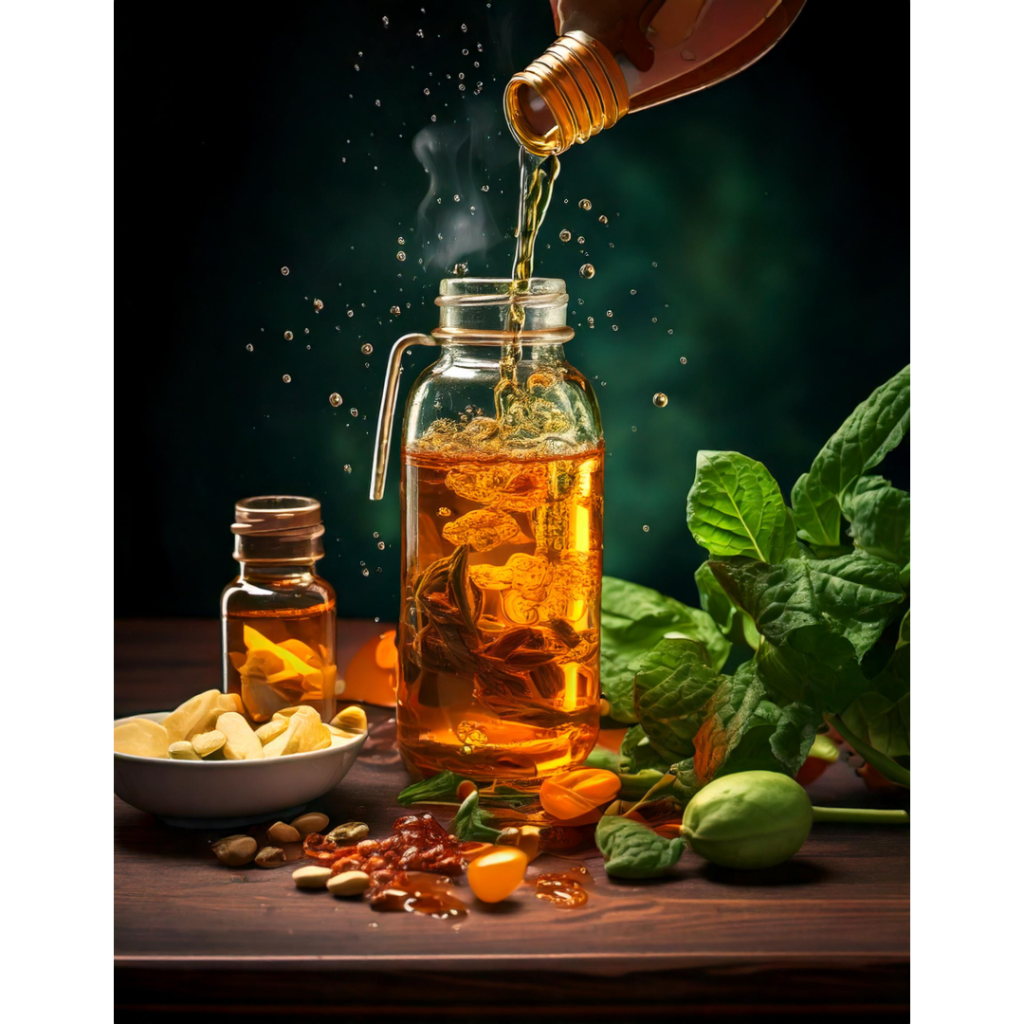
Natural Remedies for a Calmer Mind and Balanced Well-Being Anxiety affects millions of people worldwide, and while professional help, therapy, and medication can be pivotal, many seek natural remedies to complement their care. Certain vitamins and herbs have been shown to help alleviate symptoms of anxiety, supporting your journey to calm and balance. Here, we’ll explore evidence-based vitamins and herbs for anxiety relief, provide tips for their use, and guide you toward further resources. Magnesium Magnesium is often called the “relaxation mineral” for a reason. Studies suggest that magnesium helps regulate neurotransmitters and supports a healthy stress response. Sources: Leafy greens, nuts, seeds, and whole grains. Supplements: Look for magnesium glycinate or citrate for better absorption. Learn more: Explore magnesium’s role in anxiety on Healthline. Vitamin D Vitamin D deficiency has been linked to mood disorders, including anxiety. It plays a vital role in brain health and neurotransmitter function. Sources: Sunlight, fatty fish, egg yolks, and fortified foods. Supplements: Consider a daily dose, especially during winter months. Learn more: How Vitamin D impacts mental health. Ashwagandha This adaptogenic herb is well-known in Ayurvedic medicine for its stress-reducing properties. Ashwagandha may lower cortisol levels and improve resilience to stress. Usage: Commonly available as capsules, powders, or teas. Learn more: The benefits of Ashwagandha for stress. Chamomile Chamomile’s calming effects have been used for centuries. It can reduce mild anxiety and promote better sleep. Usage: Drink chamomile tea daily or take it as a supplement. Learn more: Chamomile’s calming benefits. B Vitamins B vitamins, particularly B6 and B12, are essential for nervous system health. They help produce neurotransmitters like serotonin, which regulate mood. Sources: Whole grains, meat, eggs, dairy, and leafy greens. Supplements: Choose a B-complex supplement for comprehensive support. Learn more: B Vitamins and mental health. Lavender Lavender is renowned for its calming effects, whether used as an essential oil or in teas. Clinical studies show lavender can reduce symptoms of anxiety effectively. Usage: Add a few drops of lavender oil to your diffuser or apply diluted oil to your wrists. Learn more: Lavender’s therapeutic uses. Tips for Using Natural Remedies Safely Consult Your Provider: Always check with your healthcare provider before starting supplements, especially if you’re on medication. Stick to Recommended Doses: Overuse of supplements or herbs can lead to unwanted side effects. Combine with Other Practices: Incorporate mindfulness, regular exercise, and therapy for comprehensive anxiety management. Further Resources For more tips and insights into natural mental health remedies, visit my site: lmaysarnp.com. You’ll find additional expert advice, personal stories, and tools to support your mental health journey. Let us know your favorite natural remedies for anxiety or share your experiences in the comments below. Together, we can explore the best paths to calm and clarity!